
A region shaped by mountain geography, layered cultures, and changing political arrangements, Jammu and Kashmir offers a journey defined by heritage, distinct landscapes, and deeply rooted culinary customs.
A Brief History of Place: Jammu & Kashmir at a Glance
Jammu Kashmir Ladakh history before itinerary
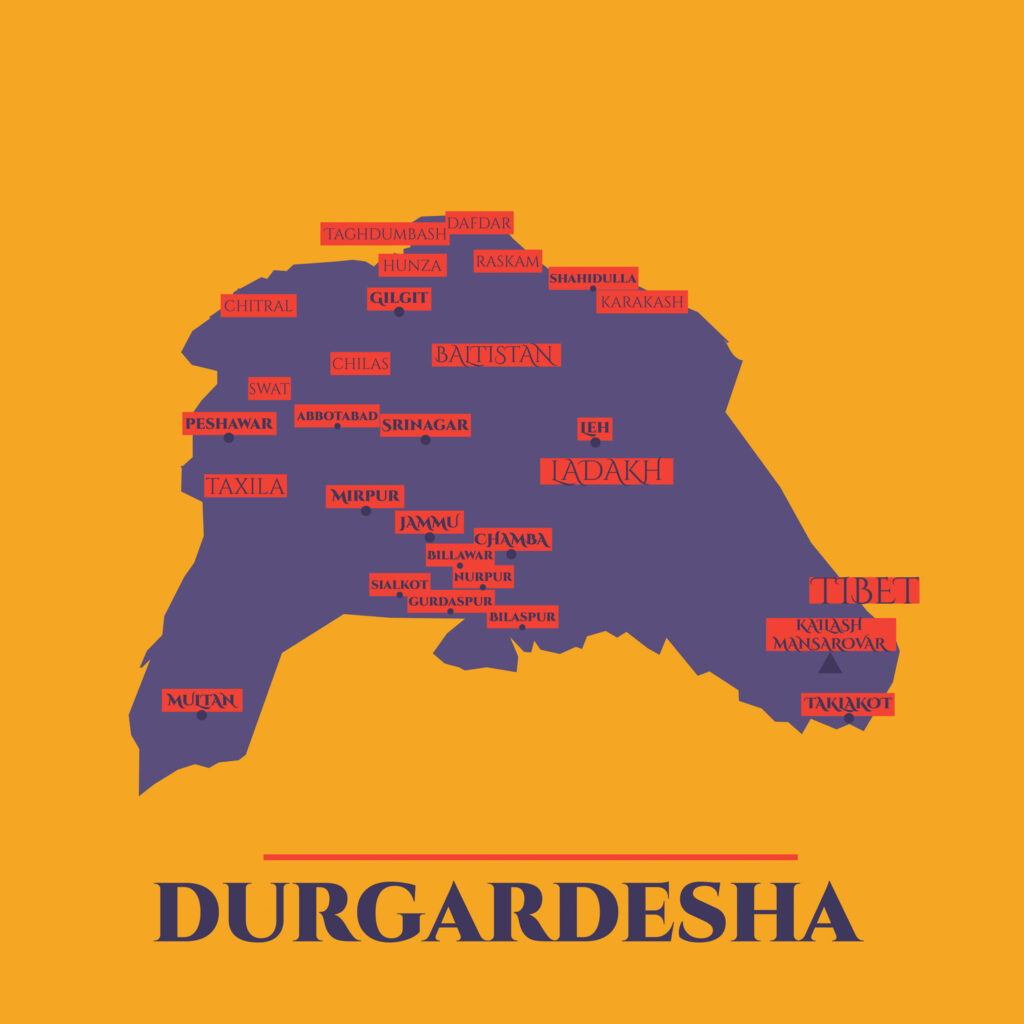
01 | 1846: The Dogra State Takes Shape
The Treaty of Amritsar joined Jammu, Kashmir, and Ladakh under one princely state.
The treaty followed the Dogra ruler Gulab Singh’s acquisition of Kashmir. It established Jammu and Kashmir as a single princely state under his rule.
A political boundary, not a single culture: the state contained distinct regions, languages, communities, and landscapes.
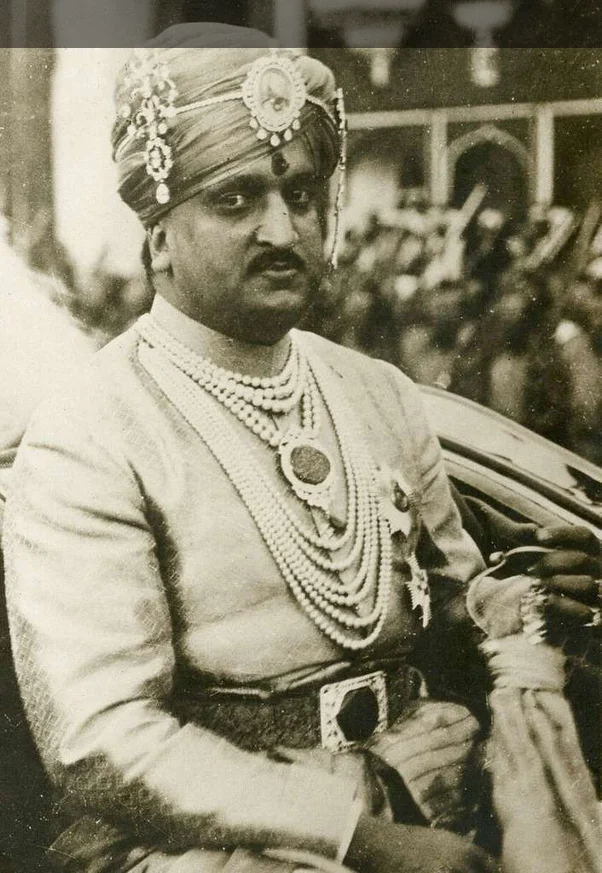
02 | 1947: Hari Singh
The last ruling Maharaja faced a new transition.
As British paramountcy ended in 1947, princely states had to determine their political future. Hari Singh was the last ruling Maharaja of Jammu and Kashmir. The transition unfolded amid conflict and competing political claims.
A turning point – distinguish the event from later developments.
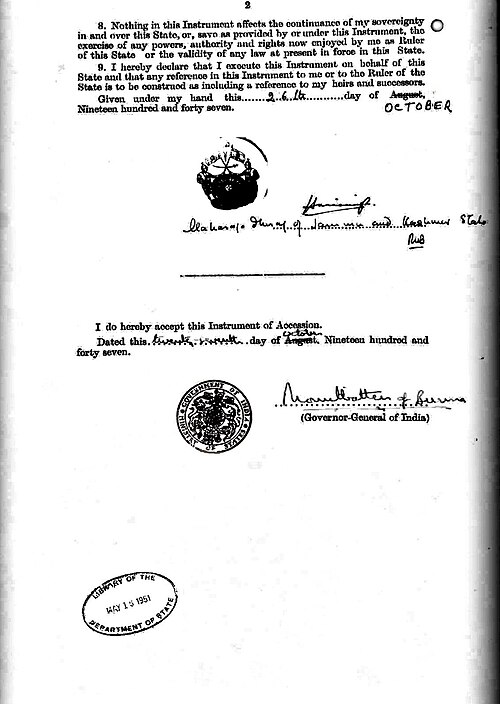
03 | October 1947: The Instrument of Accession
A legal document became the bridge into modern Jammu & Kashmir.
Hari Singh signed the Instrument of Accession to India on October 26, 1947; it was accepted on October 27. The document covered specific subjects, including defence, external affairs, and communications.
26 Oct signed | 27 Oct accepted
04 | Srinagar: Where Food, Water, and Heritage Share the Same Frame
The city is tasted, crossed, and remembered.
On Dal Lake, houseboats and water shape the view. Mughal gardens, old-city bazaars, shrines, and chinar-lined streets add layers of heritage. Apples, walnuts, saffron, and flavorful cuisine connect the city to the landscape around it. Best for first-time visitors, photographers, food-focused travelers, and culture-curious urban explorers.
- Water gardens & bazaars
- Apples, walnuts & saffron
- Cuisine, shrines & chinars
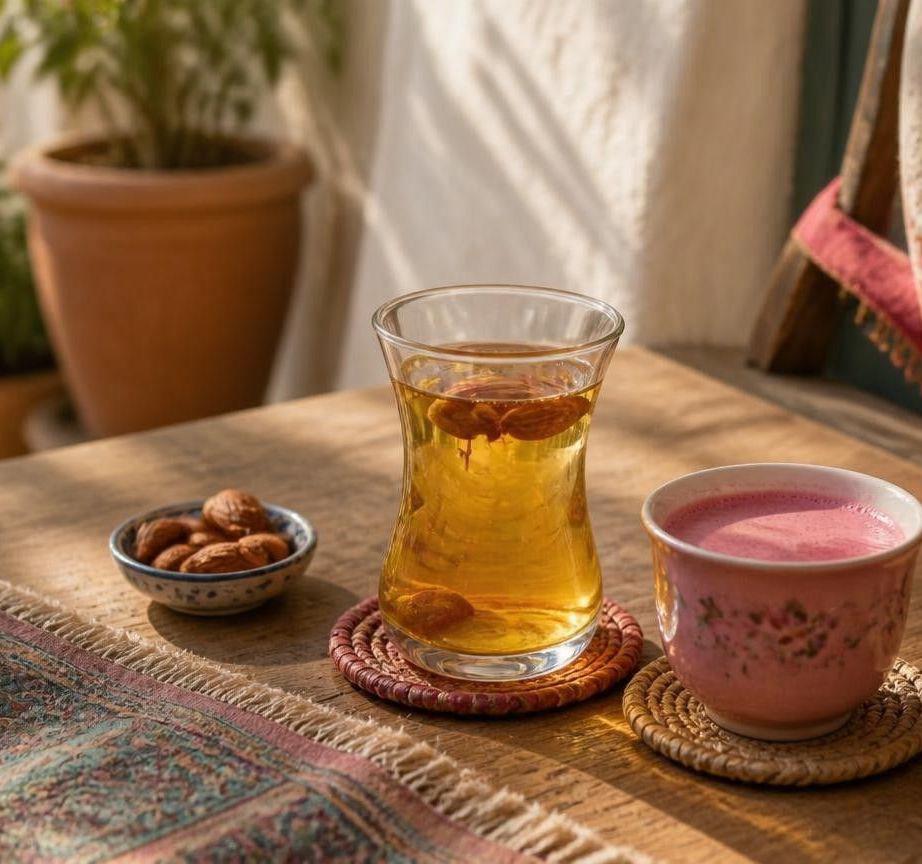
Tea Traditions: Kahwa and Noon Chai Slow the Day Down
Kahwa is a fragrant green tea, often steeped with saffron, cardamom, and nuts. Noon chai is the distinctive pink, savory tea traditionally made with green tea, salt, and milk. The two cups show how tea can be both a welcome and a daily ritual.
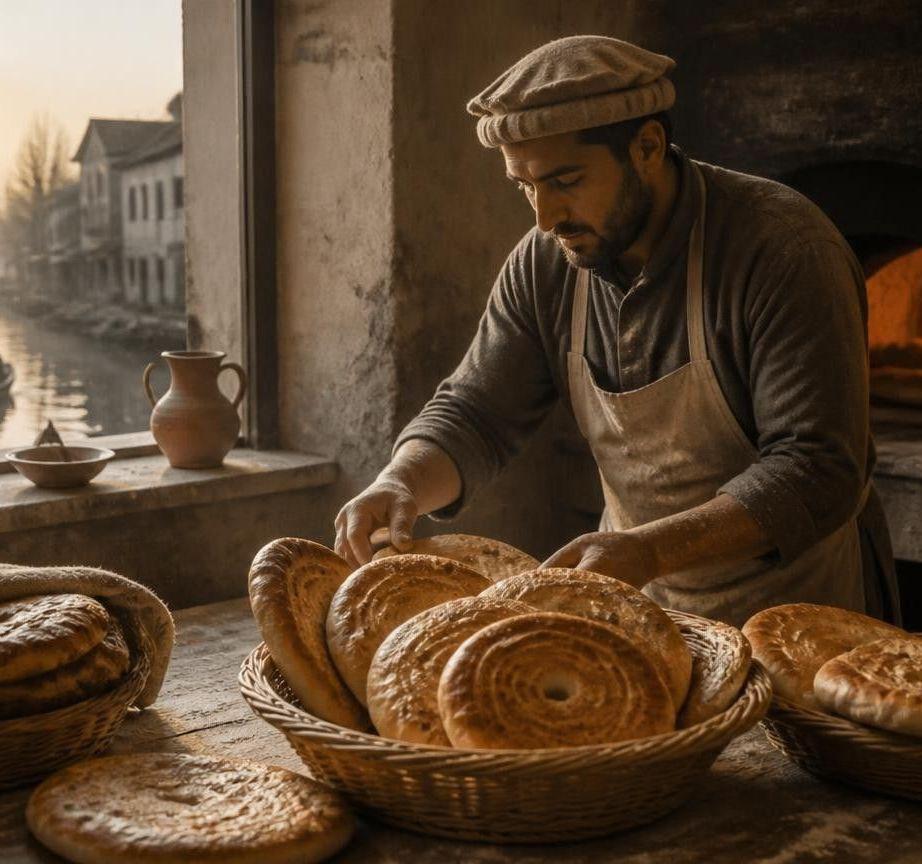
Morning Breads: The Bakery is Part of the Neighborhood Rhythm
Girda is a round, lightly crisp bread. Lavasa is a thin flatbread. Local bakeries make these breads for breakfast, tea, and conversation—not only for special occasions.
Look for the tandoor, the bread baskets, and the early-morning queue.
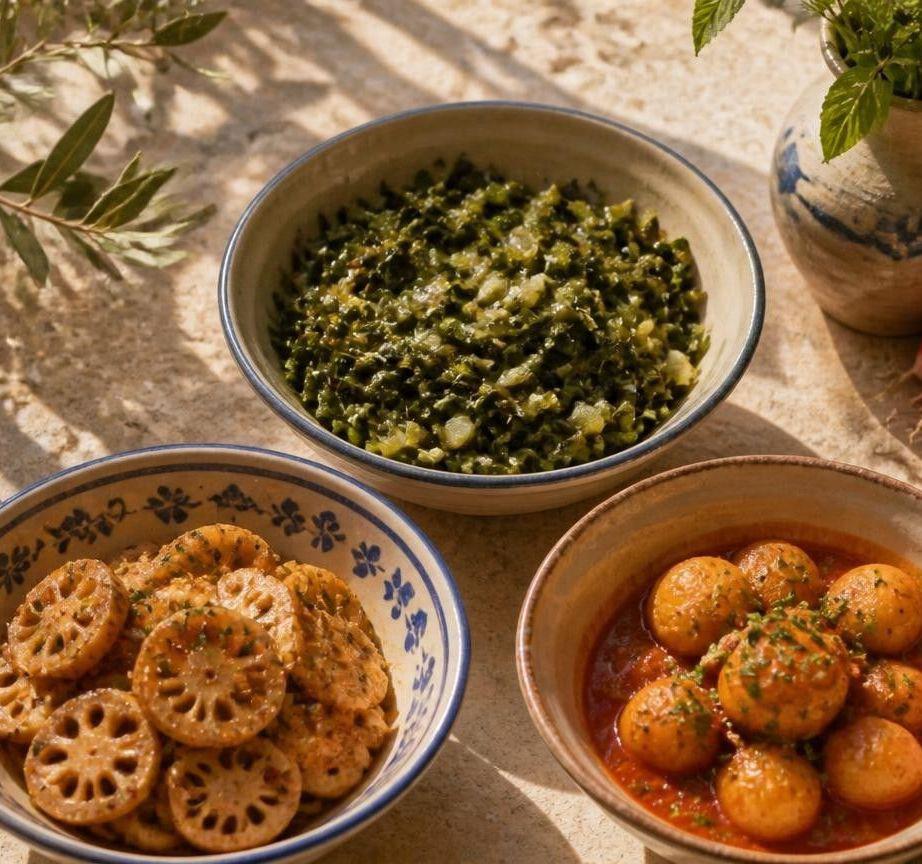
Garden, River, Valley: Vegetarian Food Follows the Season
Haak means leafy greens cooked simply. Nadru is lotus stem, prized for its firm texture. Dum aloo is baby potato cooked slowly in a spiced gravy. Markets also bring beans, turnips, apples, saffron, and other local produce into everyday cooking.
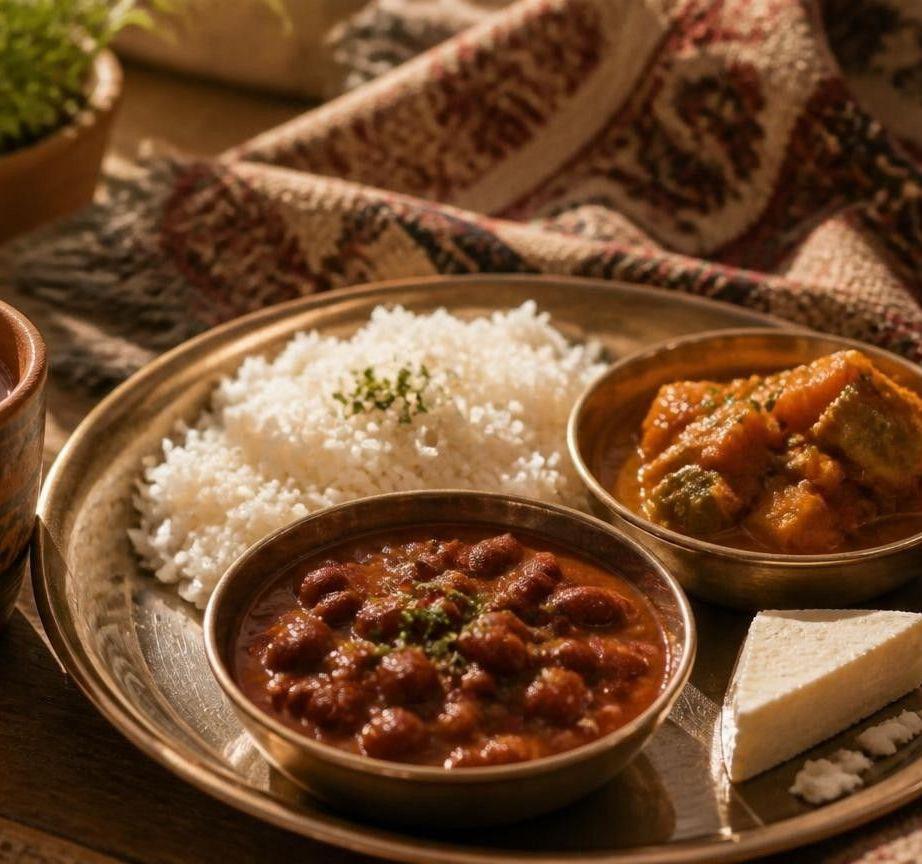
Jammu Dogra Flavors: Bold, Tangy, Comforting
Rajma—red kidney beans, often served with rice—is a familiar comfort. Ambal is a sweet-and-sour pumpkin preparation. Kalari is a firm, locally made cheese, often cooked until browned. These dishes bring Jammu’s pantry and home cooking to the table.
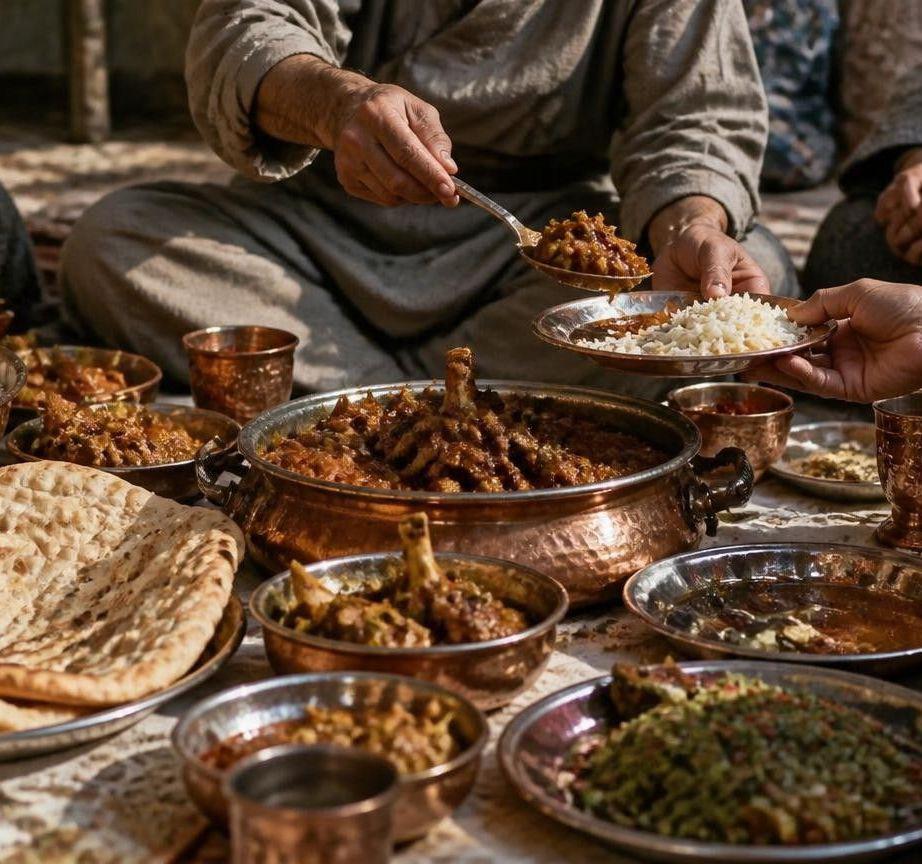
A Table for Many: Wazwan Turns Cooking into Hospitality
Wazwan is a ceremonial Kashmiri feast built around several meat dishes, prepared and served with care. A shared dastarkhwan—the cloth or spread laid for the meal—brings guests together around one table. Its meaning is not just the menu: it is welcome, skill, coordination, and time shared across a community.
05 | Into the Landscape: From Gulmarg Snow to Pahalgam Meadows
The landscape keeps changing: the route shifts from alpine energy to open, slower spaces.
Gulmarg offers alpine scenery and a four-season mountain experience. Pahalgam brings rivers, pine forests, and open meadows. Food follows the weather: warming dishes in the cold, picnic flavors in the grass. Gulmarg tends to attract skiers, gondola riders, and active weekend crowds; Pahalgam suits families, slow travelers, photographers, and meadow-day picnickers.
- Gulmarg: Snow, alpine scenery, and a four-season mountain experience.
- Pahalgam: Rivers, pines, and meadows that slow the journey.
06 | Find Your Pace: Landscapes for Every Traveler
Beyond the famous stops, each landscape gathers a different crowd. Choose the place that matches how you want to travel.
Tourist places are not interchangeable: some reward movement, some reward stillness, and some are built around pilgrimage or a shared meal.
- Sonamarg: Day-trippers, hikers, and road-trip groups chasing high mountain views.
- Patnitop: Families and easygoing weekenders looking for pine air and gentle walks.
- Doodhpathri: Quiet-seeking couples, photographers, and travelers avoiding the busiest circuit.
- Kishtwar: Adventure-minded travelers and slower cultural explorers ready to go farther.
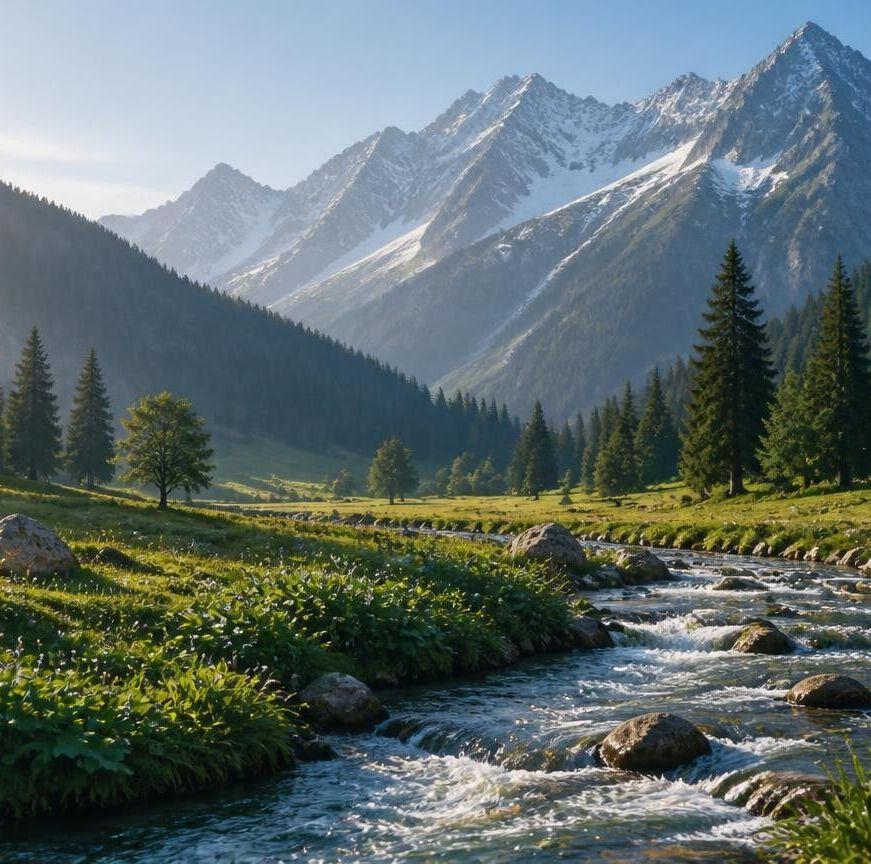
Kashmir Scenic Escapes: Sonamarg and Doodhpathri
Two meadow-and-mountain retreats for fresh air, open views, and an easy break from city streets.
- Who comes: Families, student groups, day-trippers, and walkers looking for scenery without a long itinerary.
Jammu Region Outdoors: Patnitop, Kishtwar, and Bhaderwah
Forest roads, highland views, rivers, and cooler valleys make these places a different kind of Jammu journey.
- Who comes: Road-trippers, lovers of nature, photographers, and groups planning a slower mountain escape.
Jammu Heritage + Pilgrimage: A Circuit of Memory and Devotion
Mubarak Mandi and Bahu Fort open a window onto Jammu’s past. Vaishno Devi and Raghunath Temple add living pilgrimage traditions.
- Who comes: Heritage learners, families, pilgrims, and visitors who want history and faith in the same route.
06 | Southward to Jammu: Forts, Temples, and Dogra Heritage
The story widens through architecture, pilgrimage, and regional cuisine.
Jammu is not an appendix to the Valley. Bahu Fort, Mubarak Mandi, and Shri Mata Vaishno Devi show three different ways history and devotion shape the route. Expect family sightseeing at the fort, heritage-minded visitors around the palace, and pilgrimage crowds near Katra and Vaishno Devi.
- Bahu Fort: Fort walls and gardens suit families and relaxed city sightseers.
- Mubarak Mandi: Palace architecture draws history lovers and architecture students.
- Vaishno Devi: Pilgrimage brings devotional groups, repeat visitors, and purpose-led journeys.
Jammu: A Quick Origin Story
Where the Tawi meets the Shivaliks
Jammu is known as the “City of Temples”, set along the Shivalik Range above the northern plains. A local founding legend tells of Raja Jamboo Lochan, who saw a lion and a goat drinking peacefully by the Tawi River—a symbol of harmony that still belongs to Jammu’s story. (Sources: jammutourism-gov-in-80a2a84, jammutourism-gov-in-221de7d0)
Jammu Evening Ritual: Tawi Aarti
An evening riverfront ritual on the Tawi, launched daily in 2025. Prayer, lamps, and a strong sense of community bring the river into focus. A thoughtful stop for pilgrims, families, culture-focused visitors, and photographers. Join quietly and respectfully.
Jammu Deep Time: The Route is Older Than the Monuments
- Archaeological remains near Akhnoor connect the area with the Harappan civilization.
- Evidence from the Maurya, Kushan, and Gupta periods adds several more layers of history.
- Bahu Fort is described as the oldest edifice of the Jammu region; nearby Bagh-e-Bahu adds gardens and an underground aquarium.
(Sources: jammutourism-gov-in-e169a651, jammutourism-gov-in-e558860b)
Jammu Heritage Contrasts: Royal Rooms, Sacred Courtyards, Living Memory
Mubarak Mandi was the Dogra royal residence until 1925 and now includes the Dogra Art Museum. Raghunath Temple is described in Jammu’s shrine guide as the largest temple complex in Northern India, and the city’s sacred landscape also reflects inter-religious harmony. (Sources: jammutourism-gov-in-221de7d0, jammu-nic-in-01238726)
07 | Leave Room for the Unexpected
Taste slowly. Travel respectfully. Look beyond the famous postcard.
Quieter discoveries might lead to Gurez Valley, Bangus Valley, or Keran. The point is not to collect every stop. It is to leave enough space for a market, a conversation, a weather change, or a road you did not plan.
Take the question with you: Which flavor or place would you explore first?
07 | Build the Route: A First-Time Travel Itinerary
A first-time route can move from shared tables to open valleys. Let the journey widen in stages.
Start in Srinagar for food and water, continue to Gulmarg or Sonamarg for altitude, then slow down in Pahalgam or Jammu for a different rhythm.
- Days 1–2: Srinagar markets, wazwan flavors, Dal Lake.
- Days 3–4: Gulmarg or Sonamarg for highland views.
- Days 5–6: Pahalgam meadows and village-scale meals.
- Day 7: Jammu forts, temples, and Dogra cooking.
08 | Read the Market: Connecting Ingredients and Geography
Markets explain what kitchens protect.
Walnuts, dried morels, saffron, lotus stem, turnips, and mountain herbs connect altitude, water, season, and preservation.
- Ask with curiosity: Where was it grown? When is it best? How is it stored?
- Buy with purpose: Choose small quantities from local vendors and learn the story behind them.
09 | Waterways & Memory: Living on Dal Lake
On Dal Lake, the landscape is also a working neighborhood. See beyond the postcard.
Shikaras, floating gardens, houseboats, and market boats reveal a living relationship with water. The most respectful visit notices the work as carefully as the view.
- Choose a locally operated boat or stay.
- Keep plastic and food waste out of the lake.
- Ask before photographing homes, workers, or ceremonies.
- Leave room for quiet: not every moment needs to become content.
10 | Travel by Season: A Valley for Every Time of Year
The same valley tells a different story in every season. Time your appetite as carefully as your altitude.
- Spring: Tender greens, blossoms, and gentler walks around Srinagar.
- Summer: Long meadow days, cool mountain air, and busy highland routes.
- Autumn: Harvest colors, crisp evenings, and a rich market calendar.
- Winter: Snow views, warming breads, tea rituals, and slower travel.
11 | Match the Moment: Planning by Travel Style
Good planning starts with the kind of traveler you are. There is no single best Kashmir.
- For families: Build in short walks, flexible meal times, and a rest day between drives.
- For slow travelers: Spend longer in fewer places and let hosts shape the pace.
- For photographers: Rise early, ask permission, and leave space for ordinary scenes.
- For food seekers: Reserve time for markets, home-style meals, and regional differences.
13 | Ingredients: Making the Valley Legible
The region’s pantry is shaped by altitude, season, and the routes food has traveled.
- Saffron: Prized threads from Pampore bring color and fragrance to rice, kahwa, and festive dishes.
- Walnuts and dried fruit: A year-round way to carry orchard harvests through colder months.
- Gucchi and nadru: Mountain morels and lotus stem add texture and a strong sense of place.
- Fennel, mustard oil, and dried spices: The quiet backbone behind many rich, warming preparations.
Notice what grows nearby, what is preserved, and what arrives by trade.
Jammu Street Food: Kachalu, Tossed Fresh
Boiled colocasia (taro) root is cut into pieces, then tossed with tangy tamarind, spices, and chutney. Street vendors often assemble it fresh, making a lively local snack. Unlike the richer, slow-cooked dishes of Wazwan, Kachalu is a lighter snack built around tang, spice, and freshness.
14 | Markets & Streets: Eating as a Daily Ritual
The quickest way to understand a place is often to watch what people buy, carry, and share.
- Morning bakeries: Girda and other breads make breakfast feel rooted in the neighborhood.
- Tea stalls: Noon chai and kahwa create pauses for conversation, not just refreshment.
- Jammu counters: Kaladi kulcha and rajma chawal show a different side of the region’s comfort food.
- Market baskets: Greens, lotus stem, fruit, and dried goods reveal the season before a menu does.
Buy a little, ask what is fresh, and leave room for a recommendation.
15 | Sweets & Celebrations: Food for Gatherings
Sweets mark the moments people gather. Celebration food is generous by design: fragrant, shareable, and meant to travel around a room.
- Shufta: A rich mix of dried fruit, nuts, paneer, and sweetness served as a special finish.
- Phirni: Cool, creamy rice pudding that brings a gentle close to a festive meal.
- Modur pulao: Saffron-scented sweet rice that turns familiar grains into an occasion.
- Jammu’s patisa: Flaky, delicate, and easy to carry home as a gift.
Ask when a dish is traditionally served; the answer is part of its meaning.
16 | Food Trail: Follow the Food from Jammu to Kashmir
A regional food trail is less a checklist than a way to notice how landscape and hospitality change along the route.
- Start in Jammu: Look for kaladi, rajma, Dogra flavors, and market sweets.
- Move toward the valley: Make time for bakeries, noon chai, kahwa, and seasonal produce.
- Go deeper: Taste nadru, saffron, dried fruit, and the layered hospitality of a wazwan.
- End with attention: Ask questions, credit local makers, and let the meal set the pace.
The best food memory connects a dish to the people, season, and place that shaped it.